· MiniGamesHub Editorial Team · Card Games · 5 min read
A Complete Beginner’s Guide to Solitaire (2026)
8 hand-picked games to play when you're bored — all free in your browser, no download and no install, and they run on school Chromebooks or any device.
When you’ve got a few minutes to spare, MiniGamesHub has you covered with over 1,400 free HTML5 games that load instantly in your browser. Below are 8 real games from our catalog — every one embeds the actual playable title with its official cover art, so you can try it right here or open the full game page.
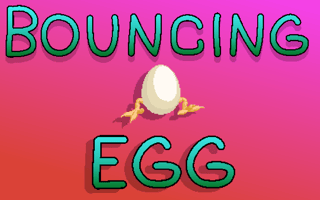
1. Bouncing Egg
Guide a fragile egg through a vibrant pixel-art world, bouncing on rotating circles to smash menacing faces. With its simple tap controls and addictive gameplay, every moment demands precision, patience, and perfect timing. Can you master the escalating challenge and keep your egg intact?
Fast, reactive arcade action built for short bursts of fun. Play Bouncing Egg on MiniGamesHub →
2. Flying Grimace
Dive into Flying Grimace, where precision and strategy define your sniper prowess. Engage in vibrant, fast-paced shooting action, maximizing each shot against cunning targets. With limited ammo adding tension, this colorful arcade adventure tests your patience and skills, promising captivating challenges at every turn.…
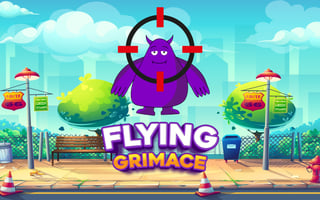
Face down monsters in this creature-filled romp. Play Flying Grimace on MiniGamesHub →
3. Ludo King Dice Club
Ludo King Dice Club turns downtime into strategic fun as players roll dice to advance colorful pieces to the centerboard. Whether playing solo or with friends, use strategic color jumps to outwit opponents and secure victory in this exciting twist on a timeless classic.
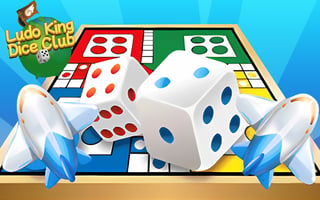
Classic board-game strategy, reimagined for the browser. Play Ludo King Dice Club on MiniGamesHub →
4. Mahjong Mania
Dive into Mahjong Mania, where captivating tile-matching challenges await! Conquer 150 dynamic levels across three difficulties, making every game session unique. Strategize, as not all tiles match as they seem. Can you master the art of mahjong and maximize your chances with strategic shuffles? Play now and find out!
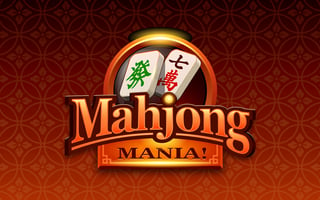
Classic board-game strategy, reimagined for the browser. Play Mahjong Mania on MiniGamesHub →
5. Domino Battle
Dive into Domino Battle, where the timeless game meets modern flair. Choose Draw or Block modes, placing your tiles to challenge foes tactically. Strategize, adapt, and outwit opponents while enjoying seamless controls and a captivating atmosphere. Experience endless strategic excitement with every game.
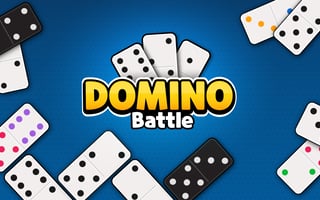
Classic board-game strategy, reimagined for the browser. Play Domino Battle on MiniGamesHub →
6. The Magic Well
Dive into “The Magic Well,” where strategic clicking meets endless fun. Spin the magic wheel, amass coins, and upgrade your well to boost earnings. With every spin, the thrill of magical rewards awaits, offering an addictive journey of wealth accumulation that never resets.
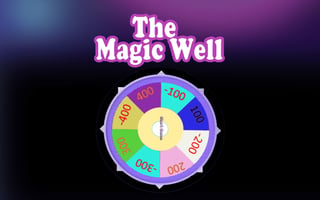
Classic board-game strategy, reimagined for the browser. Play The Magic Well on MiniGamesHub →
7. 2048 Match Balls
Merge colorful, numbered balls in 2048 Match Balls, where strategic aiming and shooting lead you closer to the elusive 2048 target. Enjoy the vivid graphics and addictive logic-based gameplay that rewards patience and planning, promising endless fun as you challenge your skills in this vibrant puzzle adventure.
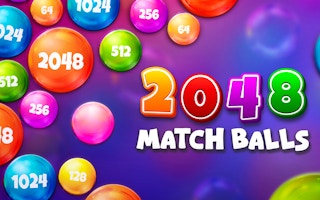
Number-sliding strategy that is easy to learn and hard to put down. Play 2048 Match Balls on MiniGamesHub →
8. Double Checkers
Dive into Double Checkers, an exhilarating twist on the classic game. Strategically navigate two boards simultaneously, capturing opponents in a battle of wits. Master quick decision-making as each move counts on this dual battlefield. Whether alone or competing with friends, embrace the ultimate challenge.
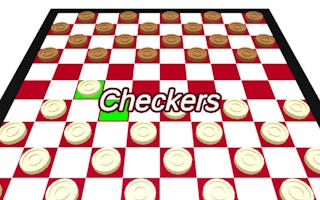
Classic board-game strategy, reimagined for the browser. Play Double Checkers on MiniGamesHub →
Wrapping Up
That’s our pick of 8 games you can enjoy without downloading a thing. Every title above is a real game from MiniGamesHub’s catalog — bookmark this page and come back whenever you need a quick break.
MiniGamesHub Editorial Team
Content reviewed by the MiniGamesHub editorial team for accuracy and player safety. Read our editorial guidelines.